


Gathering Color: Dyeing Kentucky Autumn into Your Fiber

By Sarabeth Parido
We know it’s still hot outside- but the fall is coming quickly! Autumn is a beautiful time to be a fiber farmer.
The sheep are growing out their winter coats, the garden is winding down, and everywhere you look the foliage is beginning to shift colors. Here in Kentucky, that means the woods and fence rows are suddenly full of potential dye material.
Sometimes the most beautiful natural dyeing starts with a walk around the farm.
A bucket of acorns or black walnut hulls, and goldenrod that's gathered before the flowers completely fade. Pokeberries harvested before the birds snatch them up., or leaves picked from the trees around the house. These are the things that make natural dyeing especially fun. We're not just making color – we're putting a little piece of this season into the fiber.
Start With What's Growing Around You
Kentucky has so many plants that can provide interesting color, and fall gives us some especially useful materials to work with.

Acorns are one of the easiest places to begin. They're naturally high in tannins, which can help produce color without the same mordanting process required by many other dye plants. Depending on the type of oak, how many you use, and the fiber you're dyeing, acorns can produce soft tans, beige, taupe and grey shades.
Black walnuts are another Kentucky fall favorite. When those green hulls begin dropping, you've got a dye source right under the tree. Walnut hulls can produce deep, earthy browns ranging from warm tan to rich chocolate and even very dark brown with a strong enough bath.

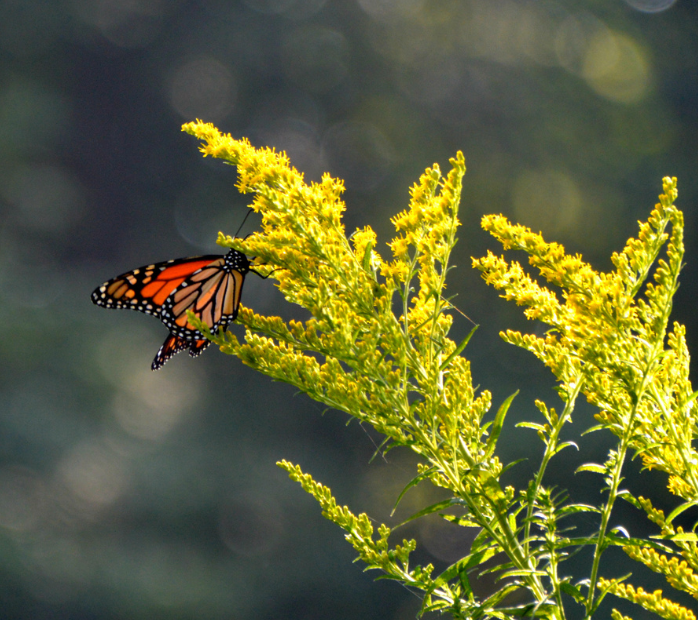
Goldenrod is another fall staple. Those bright yellow flower heads can produce beautiful warm yellows and golds on wool. Goldenrod is one of those plants that makes you appreciate just how much color is hiding in what we usually think of as a weed.

Pokeberries while inedible, produce delicious colors in your fiber. They can create a vibrant fuchsia, magenta, or pink color when used to dye wool and other animal fibers like silk and alpaca.
Kentucky's fall foliage is beautiful enough on its own, but some leaves can also be used for natural dyeing and botanical printing. Red maple, Japanese maple and other suitable leaves can produce subtle colors in a dye bath. Not every leaf will give you a dramatic color—and that's part of the fun. Natural dyeing is not as predictable as reaching for a commercial dye packet. The same plant can produce different results depending on the season, the weather, the soil, the age of the plant and the fiber you're using.
What About the Wool?
If you're dyeing wool from your own sheep, you've already got a wonderful place to start.
Before the wool goes into the dye pot, it needs to be clean. Raw fleece should be washed carefully to remove dirt and lanolin, while prepared yarn or roving should be scoured to remove anything else that might interfere with even dye uptake.
Natural dyeing is one of the places where wool really shines. Protein fibers such as wool and silk tend to take many natural dyes beautifully, often producing soft, complex colors that have a depth that's difficult to duplicate with synthetic color.
Do You Need a Mordant?
Sometimes.
A mordant is a substance used to help a dye bond with the fiber and can affect both the strength and longevity of the resulting color. For this step, you may not have to go any further than your kitchen cabinet! Alum is one of the more commonly used mordants for natural dyeing.
Not every dye requires the same treatment. Tannin-rich materials such as acorns and walnut hulls are particularly interesting because they can behave differently from many other plant dyes. Walnut has enough tannin that it is often used without a separate mordanting step. If you are just starting with natural dyes, walnut is actually a great place to start for this reason.
The Basic Fall Dye Pot
Another great part of natural dyeing is that you don't need an elaborate setup to experiment. Use a dedicated stainless steel or enamel pot (aluminum and other metal types of pots can effect how the dye reacts to the fiber and change your outcome completely)—not one you use for cooking—and cover your plant material with water. Simmer it gently to extract the color. Depending on the material, this may take an hour or more.
Strain out the plant matter and return the dye liquid to your pot.

Add your clean, wet fiber and let it soak in the dye bath. Some fibers will take up color fairly quickly. Others benefit from a longer soak, sometimes even an overnight bath after the heat has been turned off.
The important thing is to pay attention.
The first skein might come out a rich brown, while the next one becomes a soft mushroom or oatmeal shade. A dye bath that looks "used up" may still have plenty of color left in it.
Keep Notes—At Least Sometimes
One of the trickiest things about natural dyeing is that it's not always easy to reproduce an exact color.
If you love the color you get, write down what you did.
How much plant material did you use? What kind of fiber? Was it mordanted? How long did you simmer the dye? How long did the fiber soak? Did you use fresh or dried material?
Sometimes not being able to reproduce a color exactly is part of the charm. That particular shade may have come from that particular batch of goldenrod, gathered on that particular September afternoon, and can never be reproduced.
A Kentucky Kaleidoscope
The fun of fall natural dyeing is that the palette doesn't have to look like a traditional autumn color chart.

Think beyond simple browns and yellows.
Acorns can give you quiet neutrals. Walnut can give you deep browns. Goldenrod can bring yellow and gold. Pokeberries can bring you pinks and purples. Leaves may give you muted greens, yellows, browns or unexpected shades depending on the species and process.
And when you're working with wool, those colors often have a softness to them. They're not perfect. They have variation, depth and little surprises- just like your farm.
The color isn't just brown. It's the old walnut tree in your back field.
The yellow isn't just yellow. It's the goldenrod growing along the fence row near the barn.
For a fiber farm, that just feels right. Your wool comes with your farm story spun in. Fiber from particular sheep, raised on particular pasture. Dyeing it with plants from the same land carries that story a little further.
So this fall, before you rake every leaf, mow down every goldenrod stalk and pokeberry bush, or toss those walnut hulls into the compost, take a second look. Your favorite colorways may be right in your backyard.
Sarabeth Parido, is the Director of the Kentucky Sheep and Fiber Festival and The Kentucky Fiber Trail. She raises her own small flock of sheep in Clark County, Kentucky along with her husband and four sons.


Comments